


Leave nothing to chance
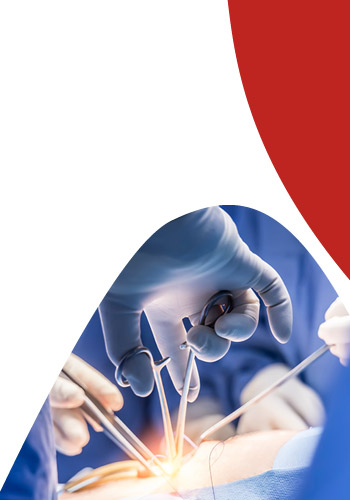
Surgical site complications (SSCs), threaten recovery by increasing patient risks and driving up costs.14,15 PICO Single-Use Negative Pressure Wound Therapy (sNPWT) helps reduce lateral tension,4-6 and reduce edema.*8-9 There’s no room for uncertainty in orthopedic surgery. Leave nothing to chance.
*As demonstrated ex vivo

The impact of SSCs in orthopedics



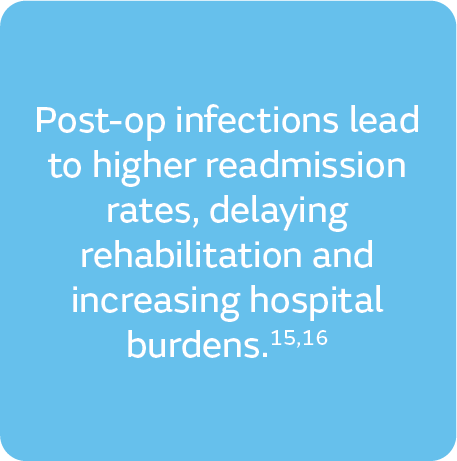

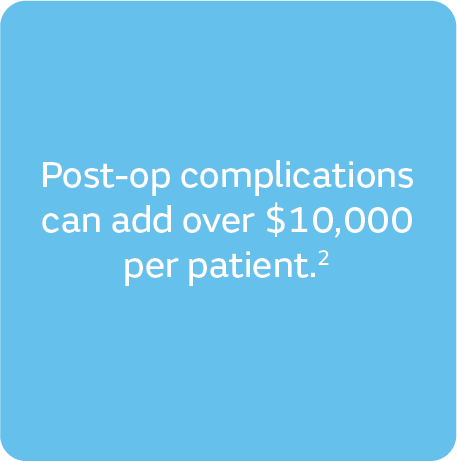
Every procedure carries risk.
The PICO System is easy to apply.10,11 Be proactive to reduce the risk of SSCs12 instead of reactive - so you can take control from the start.
63.9% significantly lower odds of dehiscence with PICO sNPWT (p<0.05)17
Retrospective review of the US PREMIER PINC AI Healthcare Database for patients receiving either PICO sNPWT or PREVENATM following orthopedic surgery between January 2017–June 2022–The study included and compared over 17,000 adult patients
Discover PICO Active Incision Management
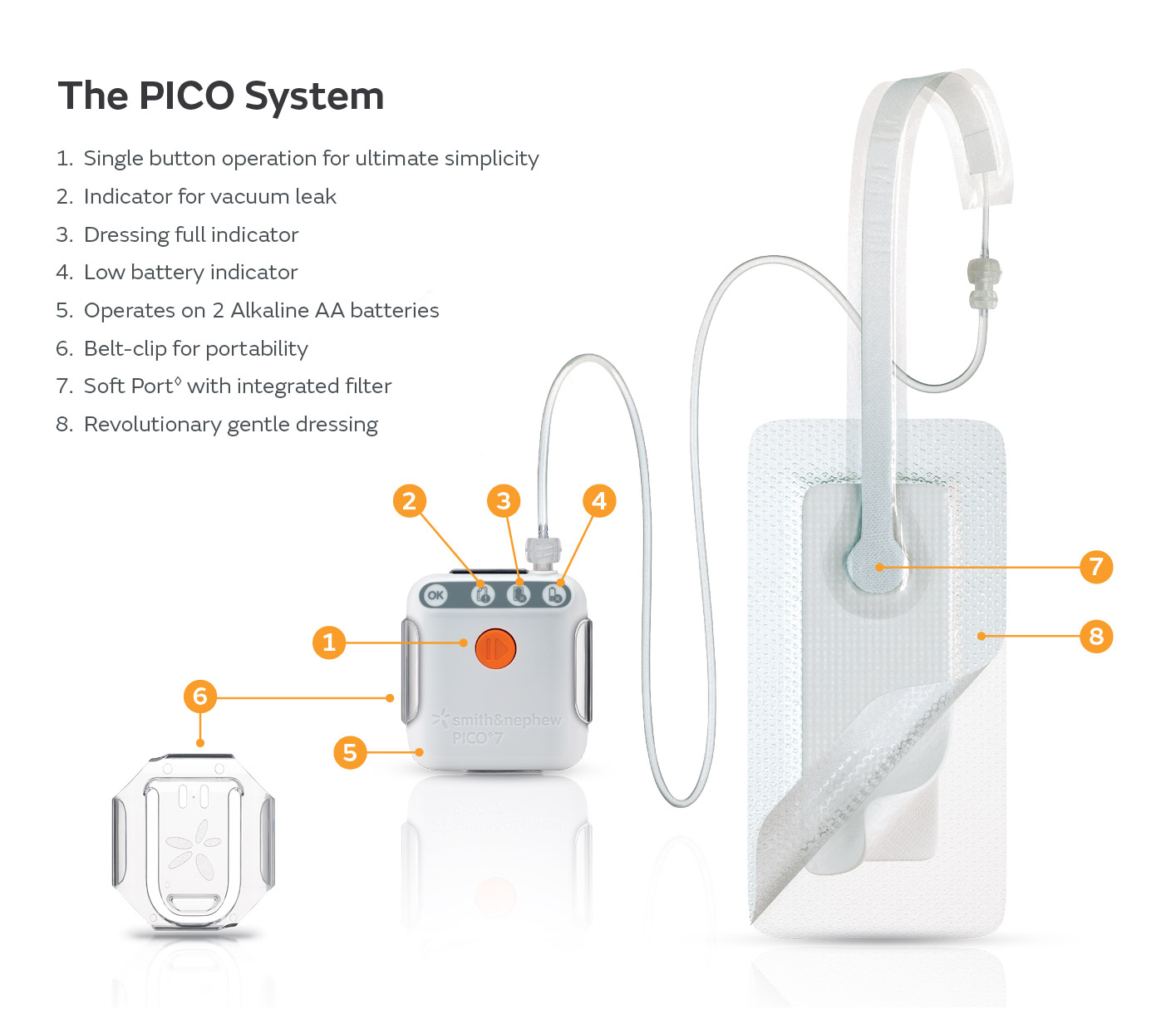
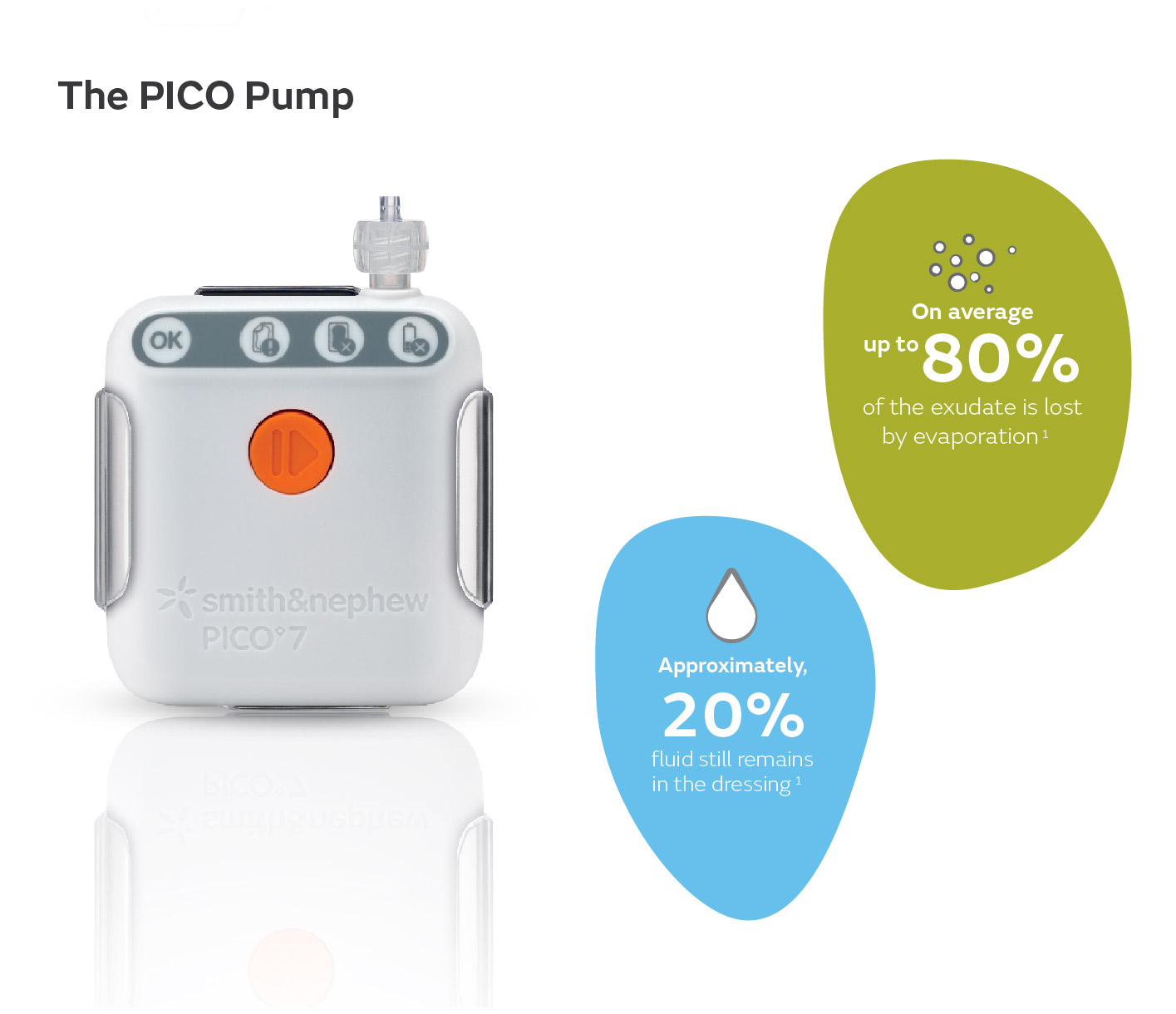
PICO Active Incision Management combines negative pressure therapy with a portable, waterproof design to protect incisions while supporting early mobility.10
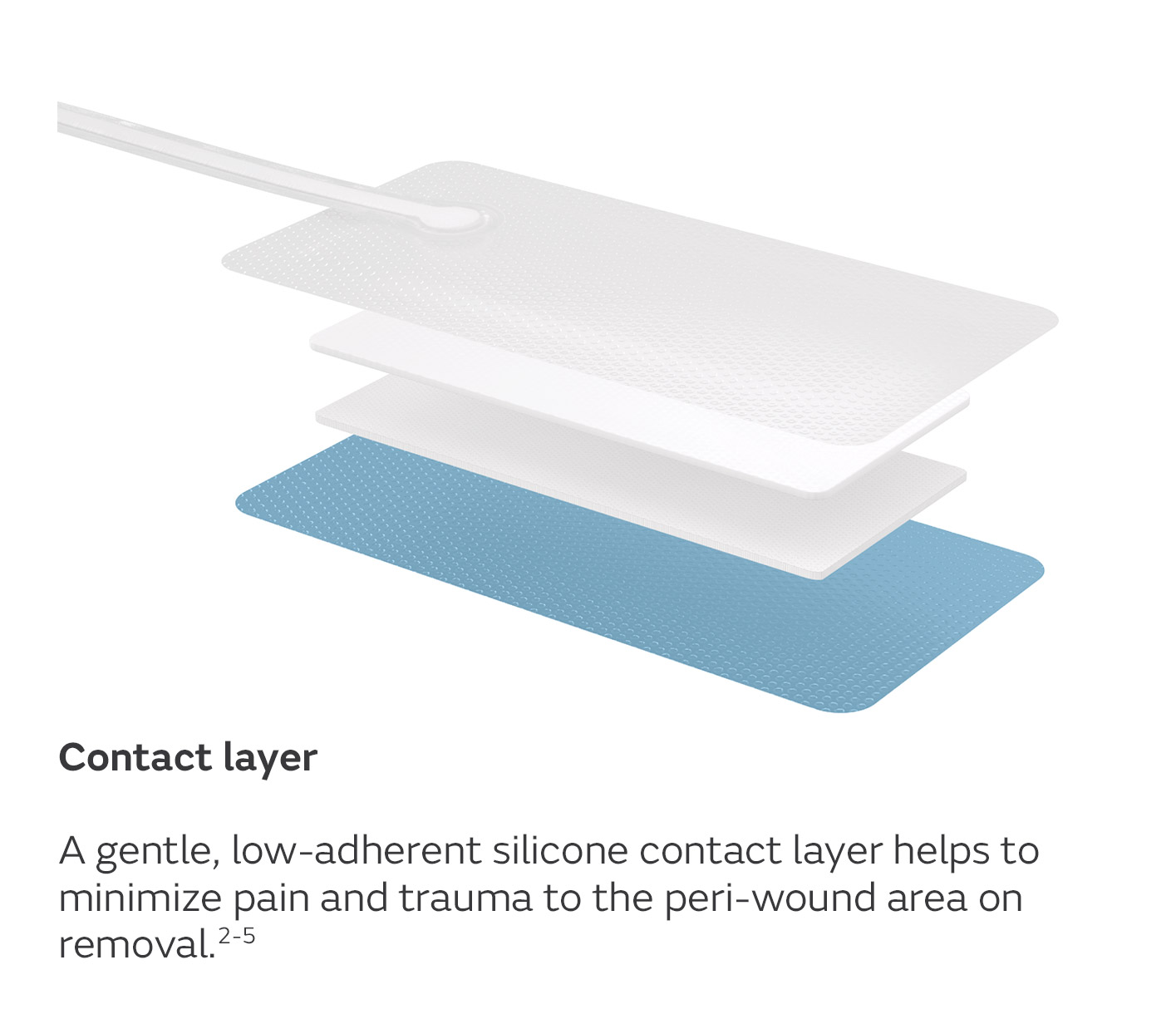
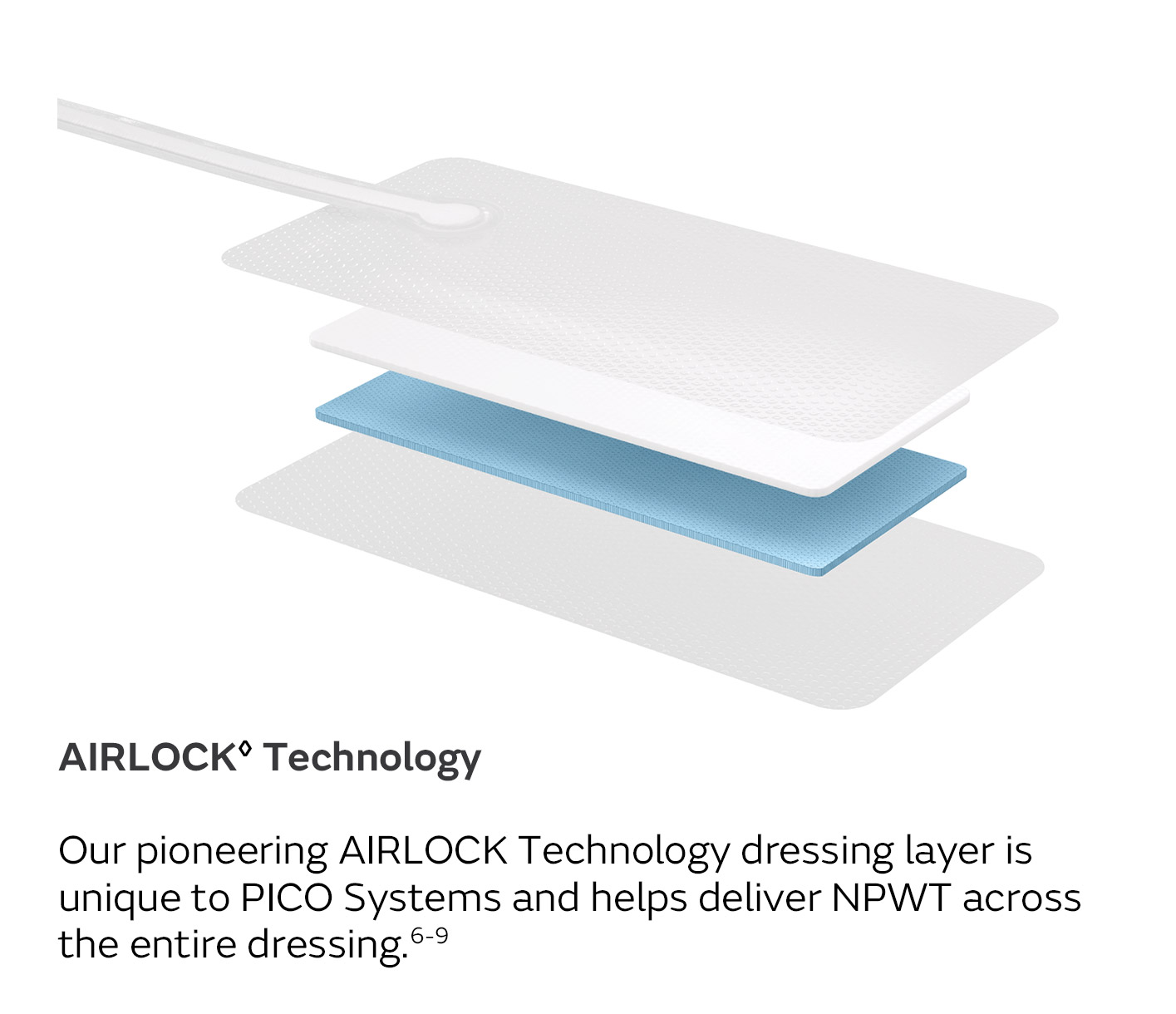
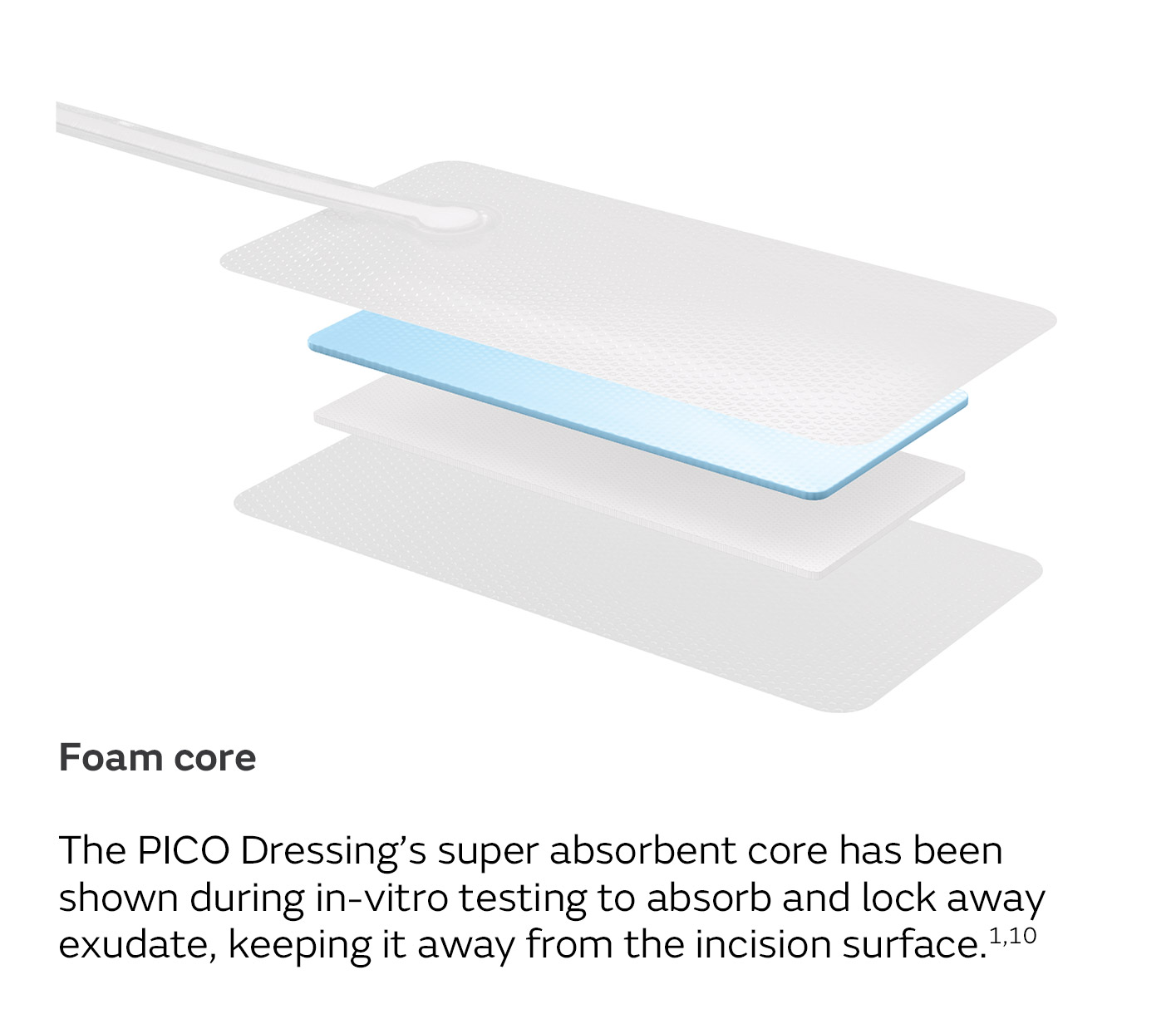
With an absorbent, four-layer dressing and an intelligent, pocket-sized pump, PICO Active Incision Management helps minimize complications and optimize post-op care.
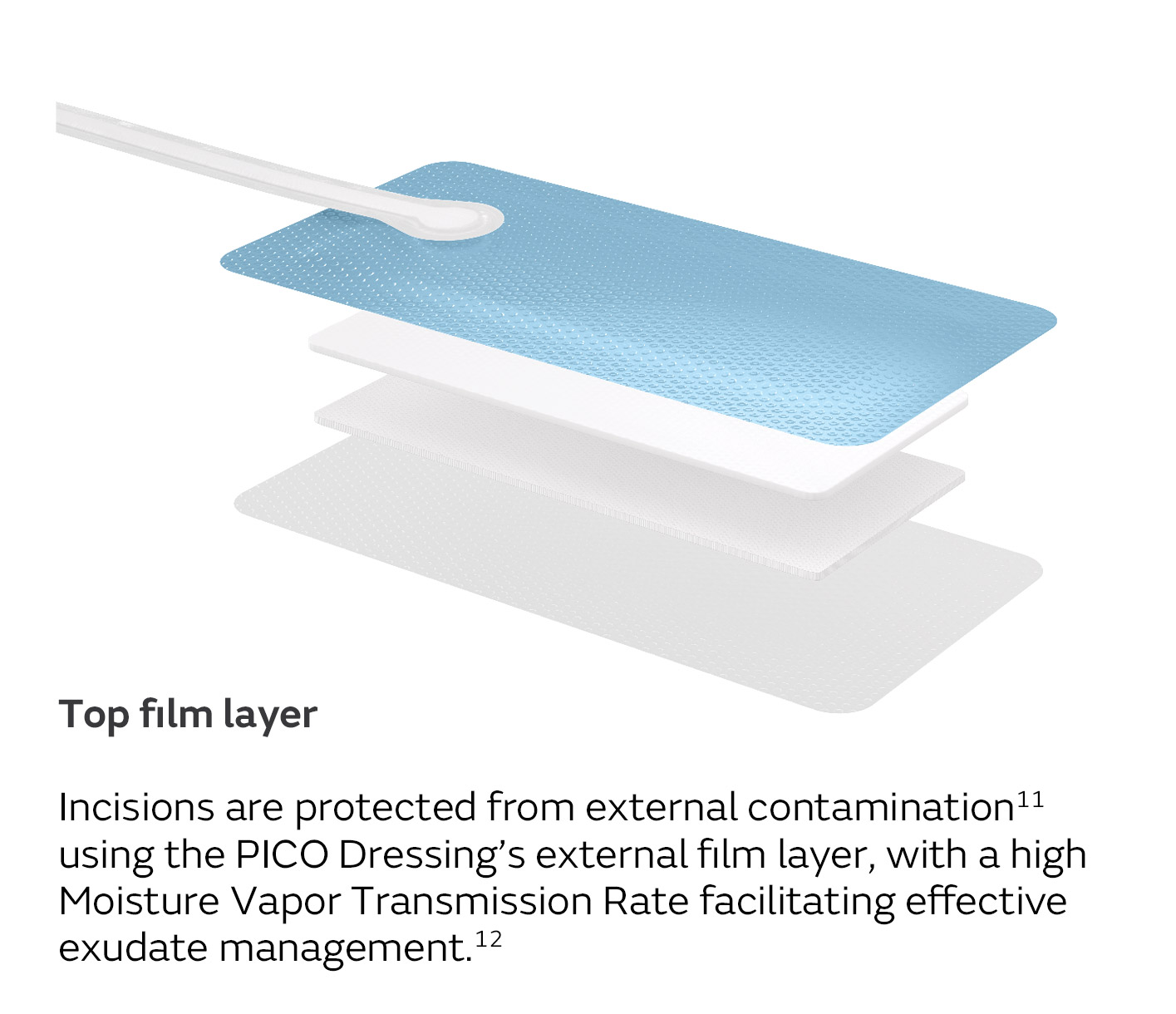
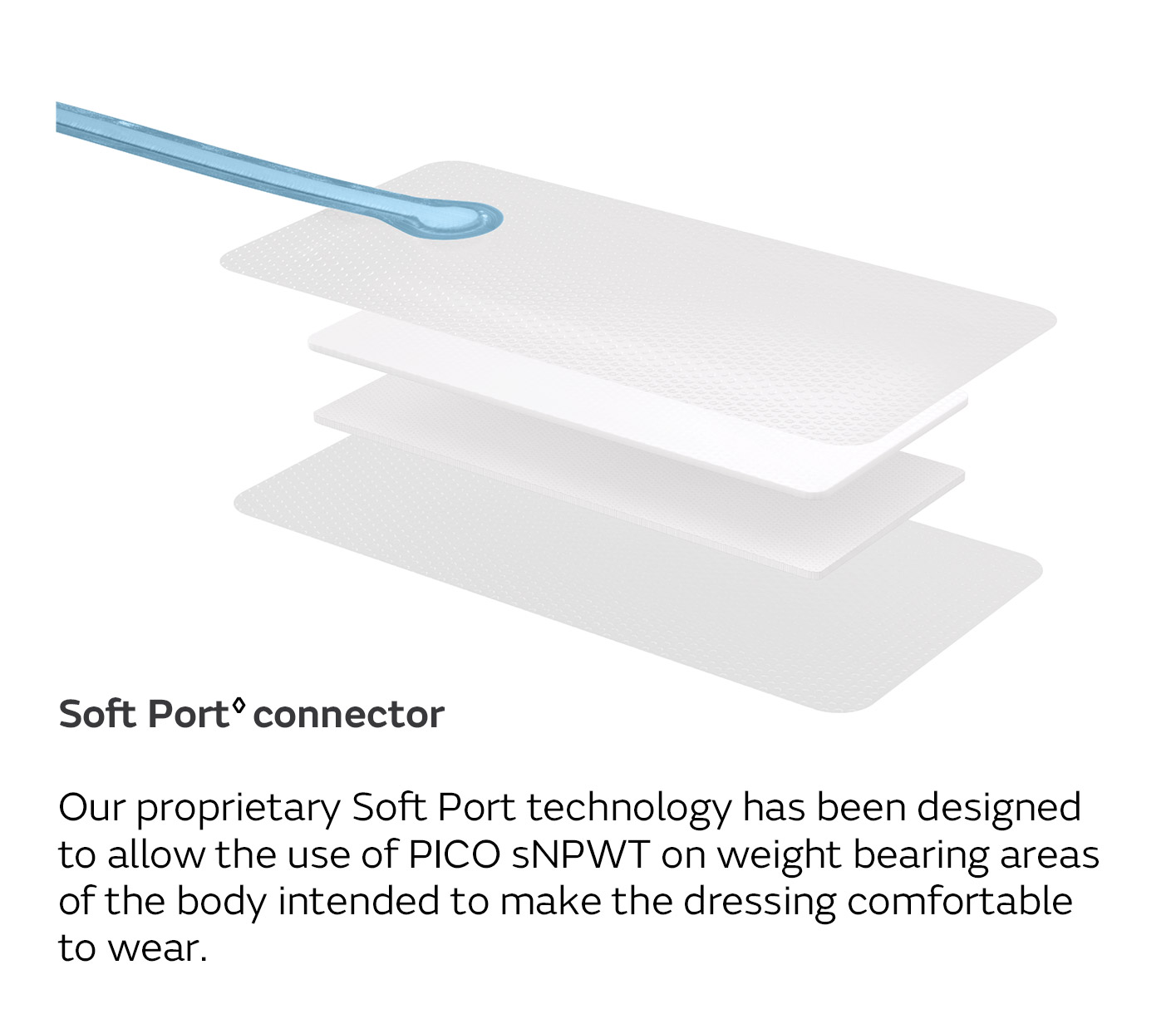
The PICO System's mode of action
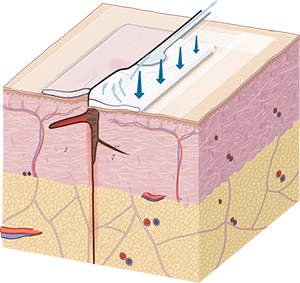
PICO Active Incision Management delivers consistent negative pressure across the entire dressing,11 helping to:
Helps protect from contamination
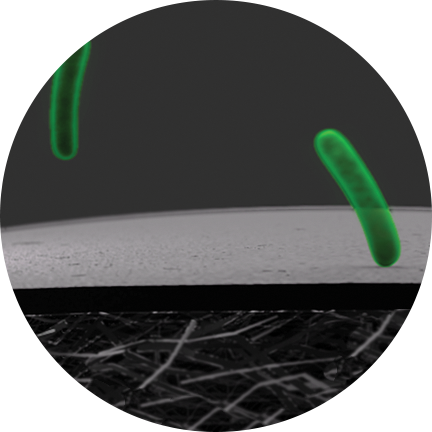
PICO sNPWT pro-actively clears the path to help provide optimal conditions for a pro-healing environment, by helping to physically disrupt the biofilm,*2 by removing excess fluid and so helping to reduce inflammation.**3,16-19
Improved quality and appearance of scars
PICO System has been shown to significantly improve the quality and appearance of scars when applied post-operatively.*11
*Compared to care with standard dressings; p0.001
Promotes lymphatic drainage
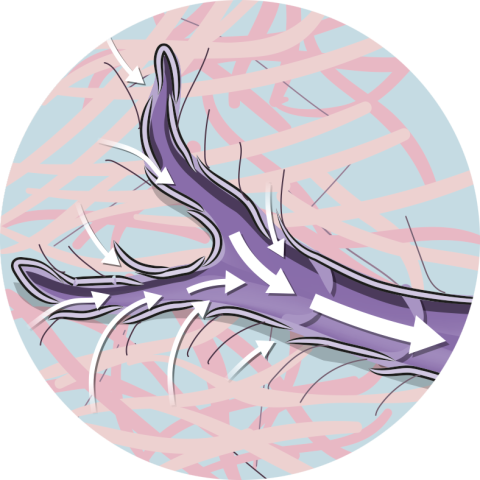
Helps to promote lymphatic drainage*4
*As demonstrated in vivo.
Improves blood flow
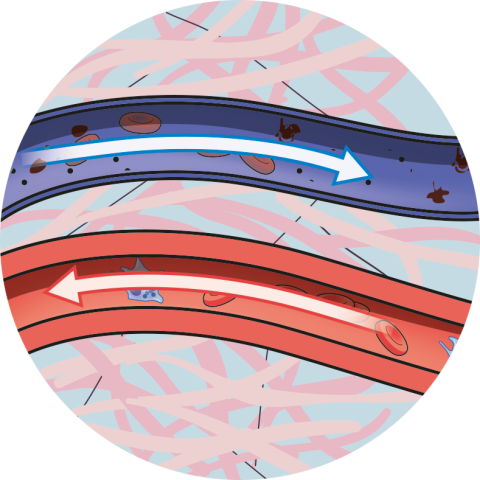
Maintains an efficient blood supply to the wound (perfusion), which helps to support immune response.5-7
Moist wound environment

Provides a moist environment which helps with healing.12-15
Holds incision together
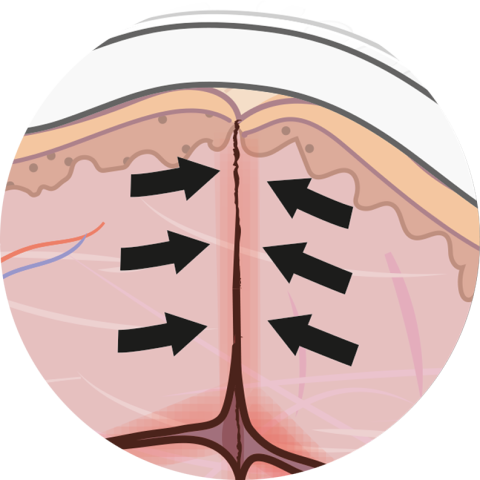
Holds closed incision together, reducing lateral tension forces across the incision.†1
†As demonstrated in biomechanical modeling.
Helps reduce edema
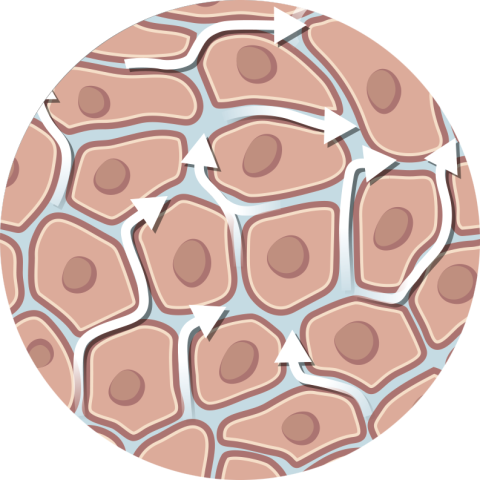
Increase the efficiency of functional lymph vessels which helps to reduce fluid buildup.8-10
Clinical evidence
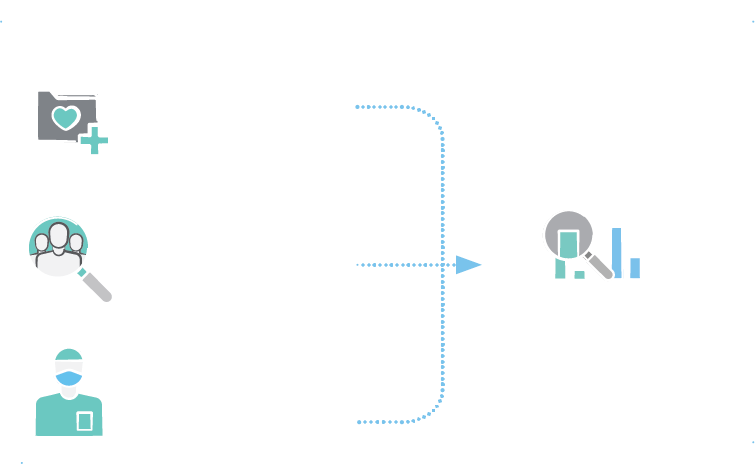
For the risk of SSCs, clinical data continues to reinforce how using PICO sNPWT on suitable patients can have a profound influence on outcomes when compared to standard care.



Mode of Action references
* The PICO Single Use Negative Pressure Wound Therapy System (sNPWT) functions through a physical mode of action. All therapeutic effects described—such as reduction of biofilm, fluid removal, stimulation of lymphatic flow, and activation of cellular responses (e.g., fibroblast migration or angiogenesis)—are mechanically induced through the application of uniform negative pressure and compressive forces. These effects are not the result of biological, chemical, or pharmacological interactions, and should not be interpreted as such. This information is intended to support understanding of the physical mechanisms by which PICO may contribute to an optimal wound healing environment.
**Achieved by removing exudate containing inflammatory markers
- Loveluck J, et al. ePlasty. 2016;16:183-195.
- Smith+Nephew 2024. Assessment of the Effect of the PICO◊ 7 Single Use Negative Pressure Wound Therapy System and Conventional Dressings Pre-Established Biofilms in vitro Using a Wound Surface Biofilm Model. Report : AWM.24.065.
- Smith & Nephew 2019. PICO Biomechanical Study. Internal Report. DS/19/211/R
- Kilpadi DV, et al. Wound Repair Regen. 2011;19(5):588-596.
- Malmsjö M, et al. ePlasty. 2014;14:1-15.
- Ma Z, et al. Exp Ther Med. 2016;11(4):1307-1317.
- Xia CY, et al. Mol Med Rep. 2014;9(5):1749-1754.
- Smith+Nephew 2019. Internal Report. EO.AWM.PCSgen.001.v2.
- Birke-Sorensen H, et al.. Journal of plastic, reconstructive and aesthetic surgery: JPRAS 64 Suppl, S1–S16 (2011)
- Scalise A, et al. Int Wound J. 2016;13:1260–1281.
- Shim HS, et al. Biomed Res Int. 2018;2018
- R. G, R. D, J. S, et al. The effects of a single use canister-free Negative Pressure Wound Therapy (NPWT) System* on the prevention of post surgical wound complications in patients undergoing bilateral breast reduction surgery. Paperpresented at: The British Association of Aesthetic Plastic Surgeons (BAAP’s) 30th Annual Scientific Meeting; 2014; London.
- Saxena V, et al. Plast Reconstr Surg. 114:1086–96.
- Borquist O, et al. Annals of Plastic Surgery. 64: 789–93.
- Ichioka S, et al. Wound Rep Regen. 16(3); 460–465.
- Smith+Nephew 2021.PICO™ Pressure Mapping Study. Internal Report. DS/19/211/R - Part B.
- Scalise A, Calamita R, Tartaglione C, et al. Improving wound healing and preventing surgical site complications of closed surgical incisions: a possible role of Incisional Negative Pressure Wound Therapy. A systematic review of the literature. Int Wound J. 2016;13:1260–1281
- Birke-Sorensen H, et al. Evidence-based recommendations for Negative Pressure Wound Therapy: Treatment variables (pressure levels, wound filler and contact layer) - Steps towards an international consensus. Journal of plastic, reconstructive and aesthetic surgery: JPRAS 64 Suppl, S1–S16 (2011).
- WUWHS Consensus document Wound Exudate effective assessment and management; 2019.
General references
- Hudson DA, Adams KG, Van Huyssteen A, Martin R, Huddleston EM. Simplified negative pressure wound therapy: clinical evaluation of an ultraportable, no-canister system. Int Wound J. 2015;12(2):195-201.
- Saunders C, Nherera LM, Horner A, Trueman P. Single-Use negative-pressure wound therapy versus conventional dressings for closed surgical incisions: systematic literature review and meta-analysis. BJS Open. 2021;0(0):1 – 8.
- Malmsjo M, Huddleston E, Martin R. Biological effects of a disposable, canisterless negative pressure wound therapy system. ePlasty.2014;14:e15.
- Ma Z, Shou K, Li Z, et al. Negative pressure wound therapy promotes vessel destabilization and maturation at various stages of wound healing and thus influences wound prognosis. Exp Ther Med. 2016;11(4):1307–1317.
- Xia CY, Yu AX, Qi B, et al. Analysis of blood flow and local expression of angiogenesis associated growth factors in infected wounds treated with negative pressure wound therapy. Mol Med Rep. 2014;9(5):1749–1754.
- Loveluck J, Copeland T, Hill J, Hunt A, Martin R. Biomechanical modelling of the forces applied to closed incisions during single-use negative pressure wound therapy. ePlasty. 2016;16:e20.
- Kilpadi DV, Cunningham MR. Evaluation of closed incision management with negative pressure wound therapy (CIM): hematoma/seroma and involvement of the lymphatic system. Wound Repair Regen. 2011;19(5):588-596.
- Smith & Nephew 2019.PICO Biomechanical Study. Internal Report. DS/19/211/R.
- Smith+Nephew 2021.PICO Pressure Mapping Study. Internal Report. DS/19/211/R - Part B.
- Tanaydin V, Beugels J, Andriessen A, Sawor JH, Van Der Hulst R. Randomized Controlled Study Comparing Disposable Negative-Pressure Wound Therapy with Standard Care in Bilateral Breast Reduction Mammoplasty Evaluating Surgical Site Complications and Scar Quality. Aesthetic Plast Surg. 2018;42(4):927-935.
- Hurd T, Trueman P, Rossington A. Use of a Portable, Single-use Negative Pressure Wound Therapy Device in Home Care Patients with Low to Moderately Exuding Wounds: A Case Series. Ostomy Wound Manage. 2014;60(3):30-36.
- Karlakki SL, Hamad AK, Whittall C, et al. Incisional negative pressure wound therapy dressings (iNPWTd) in routine primary hip and knee arthroplasties: A randomised controlled trial. Bone Joint Res. 2016;5(8):328-337.
- Nherera LM, Trueman P, Karlakki SL. Cost-effectiveness analysis of single-use negative pressure wound therapy dressings (sNPWT) to reduce surgical site complications (SSC) in routine primary hip and knee replacements. Wound Repair Regen. 2017;25(3):474–482.
- Nussbaum, Samuel & Carter, Marissa & Fife, Caroline & DaVanzo, Joan & Haught, Randall & Nusgart, Marcia & Cartwright, Donna. (2017). An Economic Evaluation of the Impact, Cost, and Medicare Policy Implications of Chronic Nonhealing Wounds. Value in Health. 21. 10.1016/j.jval.2017.07.007.
- Najjar PA, Smink DS. Prophylactic antibiotics and prevention of SSIs. Surg C lin N Am 2015;95(2):269-283.
- Merkow, R, et al. JAMA, February 3, 2015, Volume 313, Number 5.
- Bashyal RK, Searle R, Nherera LM, Wright A. Effects of single-use negative pressure wound therapy on healthcare use: US analysis of a large claims database. J Wound Care. 2025;34(8):555–562.